
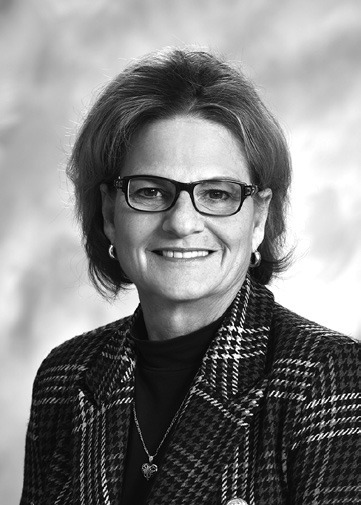
District 27 Representative
The 99th SD Legislative Session is up and running. For the next 40 days citizen legislators will come together in Pierre and “Try” governing in the best interest of the citizens of South Dakota.
The diversity of South Dakota between rural and urban areas is not just unique to our state, but also across the United States. Last week we heard the State of The Judiciary, Chief Justice Steven R. Jensen give us a history lesson on where we started and where we currently are. He started by giving a quote from Warren Buffet who once said, “Someone’s sitting in the shade today because someone planted a tree a long time ago.” The statement is as true in leadership, life and government as it is in the investment world. The judiciary will continue to provide shade, but in doing so must keep an eye on the future as well.
Last year the South Dakota court system, held more than 2,600 jury and court trials, collected more than $27 million in fines, judges traveled more than 166,000 miles to decide cases in every corner of the state. In addition to that, more than 12,000 felony criminal cases and 100,000 misdemeanor cases were filed.
The Chief Justice talked about today’s technological innovations that allow individuals to have better access to the courts. Many of the cases filed in South Dakota directly impact individuals and families, such as divorce cases,custody and child support disputes; juvenile delinquency and abuse cases, protection orders, mental illness and criminal cases. He warned legislators of the larger complexities that arise in these cases are not addressed by simply deciding a case.
Chief Justice Jensen spoke directly to us about the societal problems also laid bare in the criminal cases that come before the courts. Under UJS probation services they’re required by law to provide probation supervision to juveniles and adult felony offenders who are not in custody of the Department of Corrections. The 120 UJS court services officers overseeing the services currently cost about $5.00 a day per probationer. This is significant savings compared to the penitentiary system or local county jails.
Over the past ten years, felony cases have doubled. Public Safety presented a slide show, showing felony cases have doubled in South Dakota over ten years. They didn’t have a break down to why we’re seeing more cases and there could be a number of factors. I’ve asked for analysis breakdown.
The Chief Justice spent a big share of his speech talking about the “Indigent Legal Defense Fund” they would like to form. When you refer to indigent defense, you’re talking about the constitutional right of every person charged with a crime, who is facing the possibility of incarceration and is unable to afford an attorney, to be appointed counsel at the expense of the state. Two years ago, the Legislature passed HB 1064, creating a task force to study indigent legal defense and consider improvements to the current system. The final report was issued in October recommending the creation of a statewide indigent defense commission and a state public defender office.
Currently counties are funding nearly 100 percent of the cost associated with the indigent defense in South Dakota. As the state office develops further, it will be necessary to consider funding responsibilities between the state and counties in the future. The bill has not yet been presented so I’ll hold judgement until I’ve had the opportunity to read the language and listen to testimony, before making a decision to further add another board/commission.